ADA Residential Luminaires
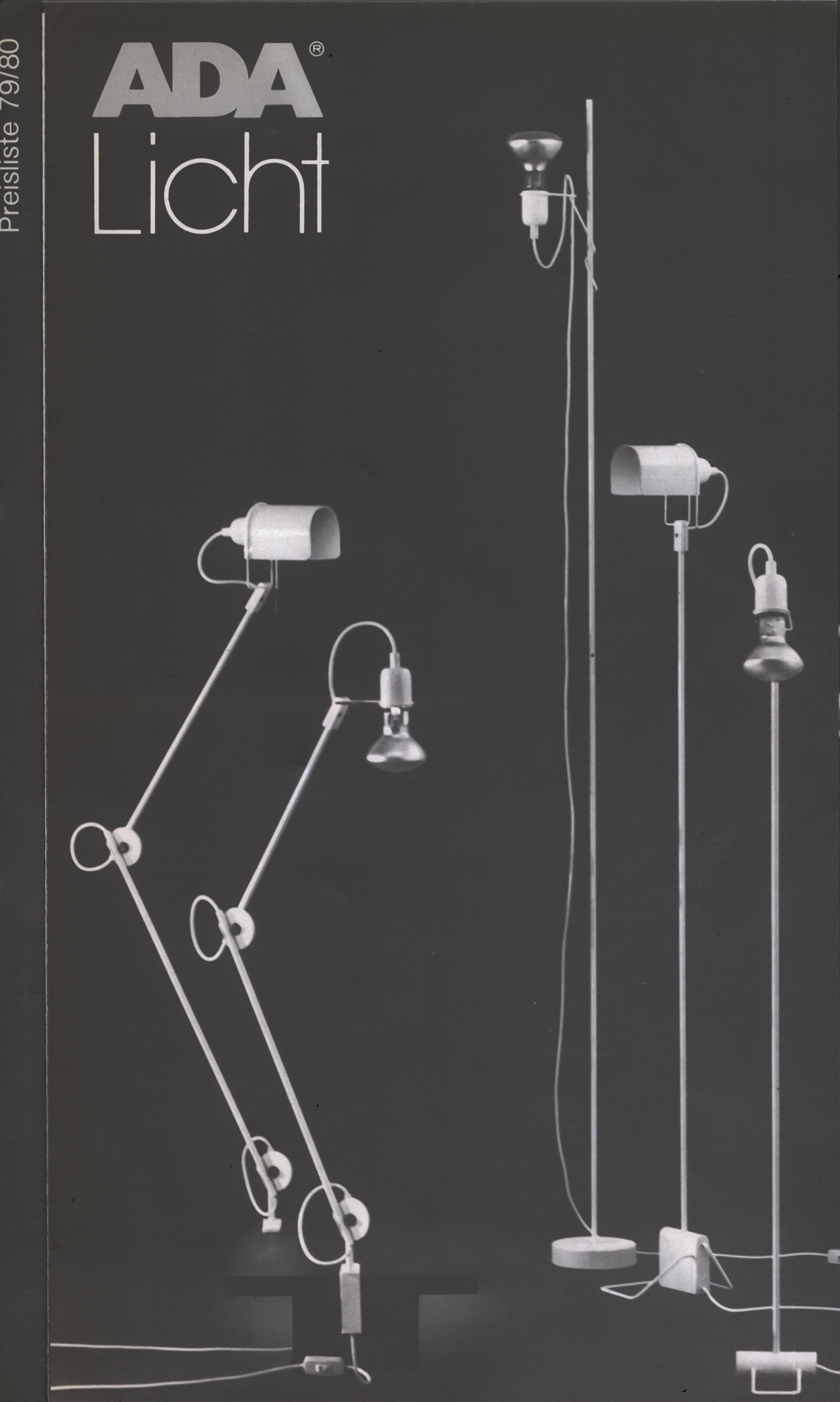
In the late 1970s, several years before Bürger Architektur was founded, Kurt Ziehmer and I developed our own series of residential luminaires.
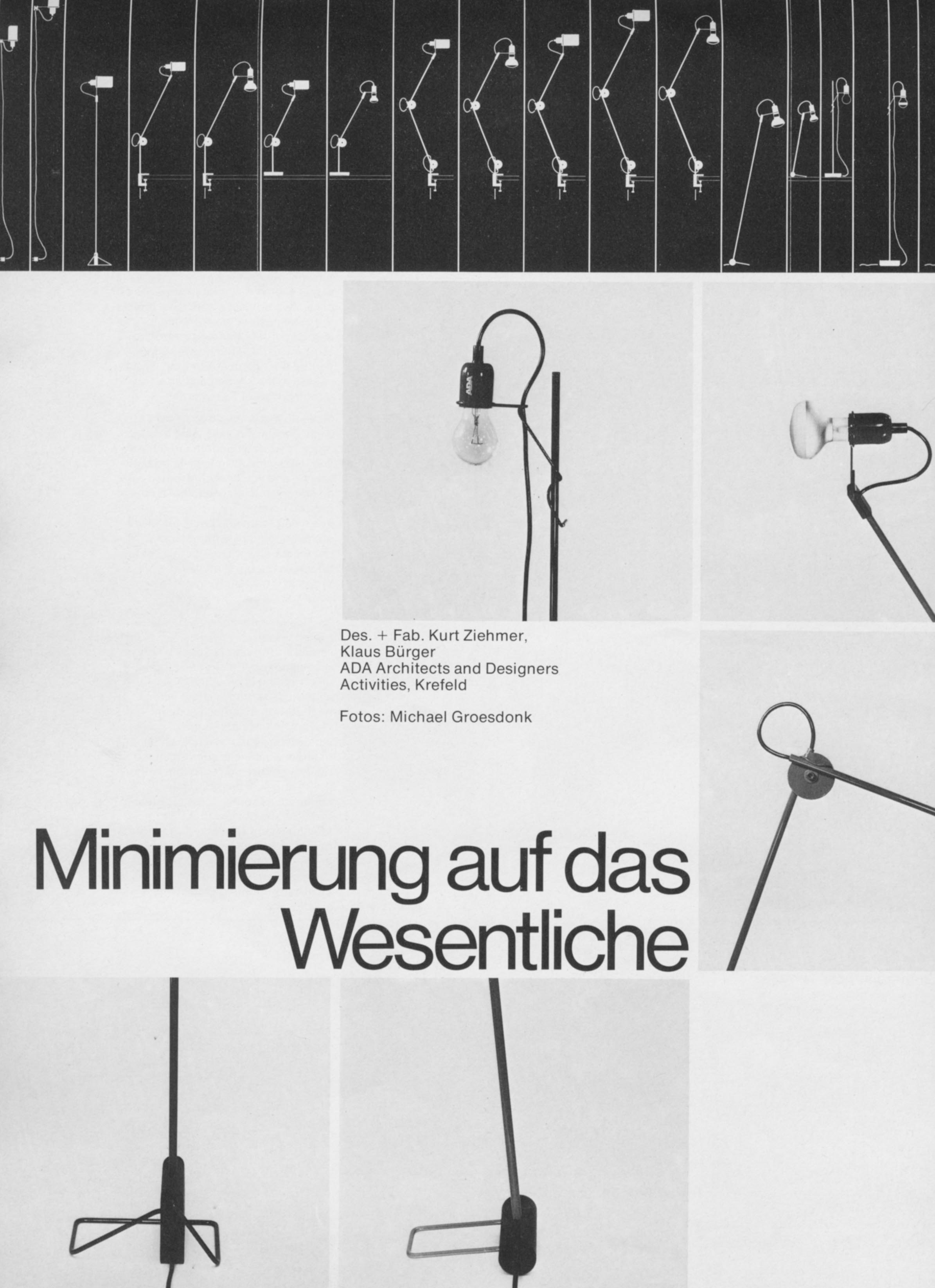
At the time, we were asking ourselves how much design a luminaire really needs. Our answer was a modular system consisting of just a few basic components. Tubes, joints, lamp holders and simple connecting elements formed wall, table, clamp and floor lamps in numerous variations. In 1980, the design journal md featured the collection under the title “Reduction to the Essentials” in the article “Reduction to the Essentials”.
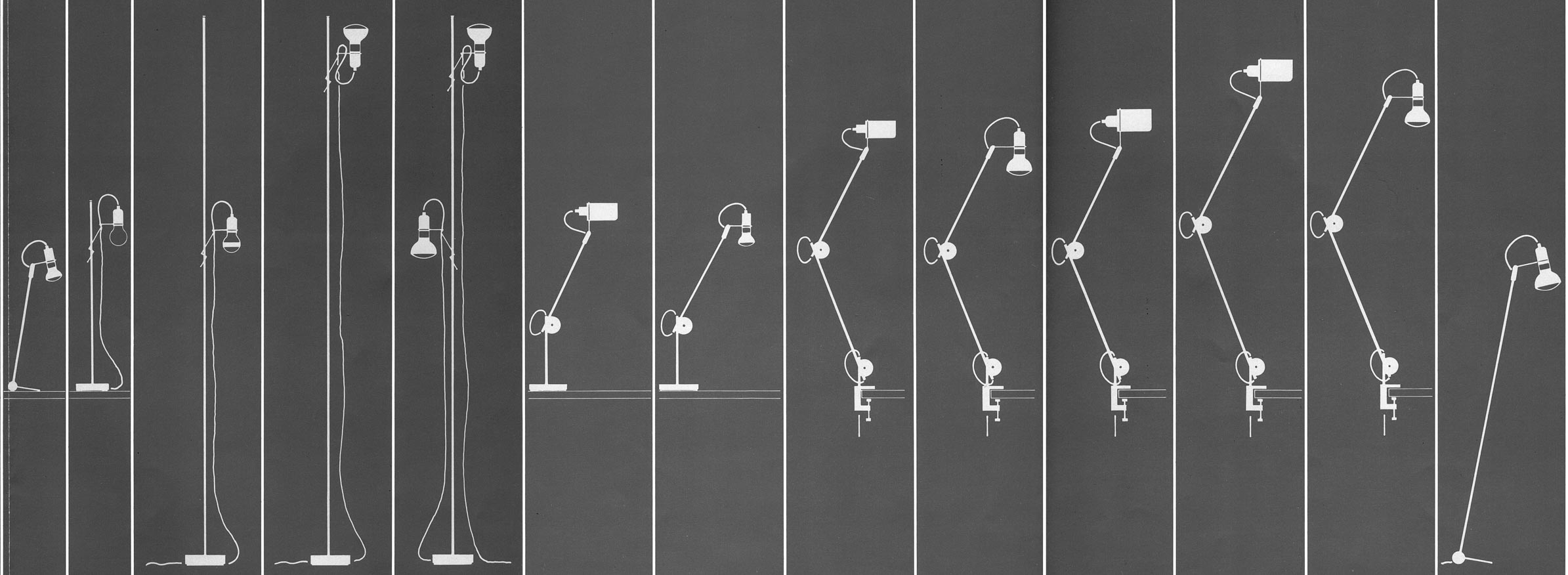
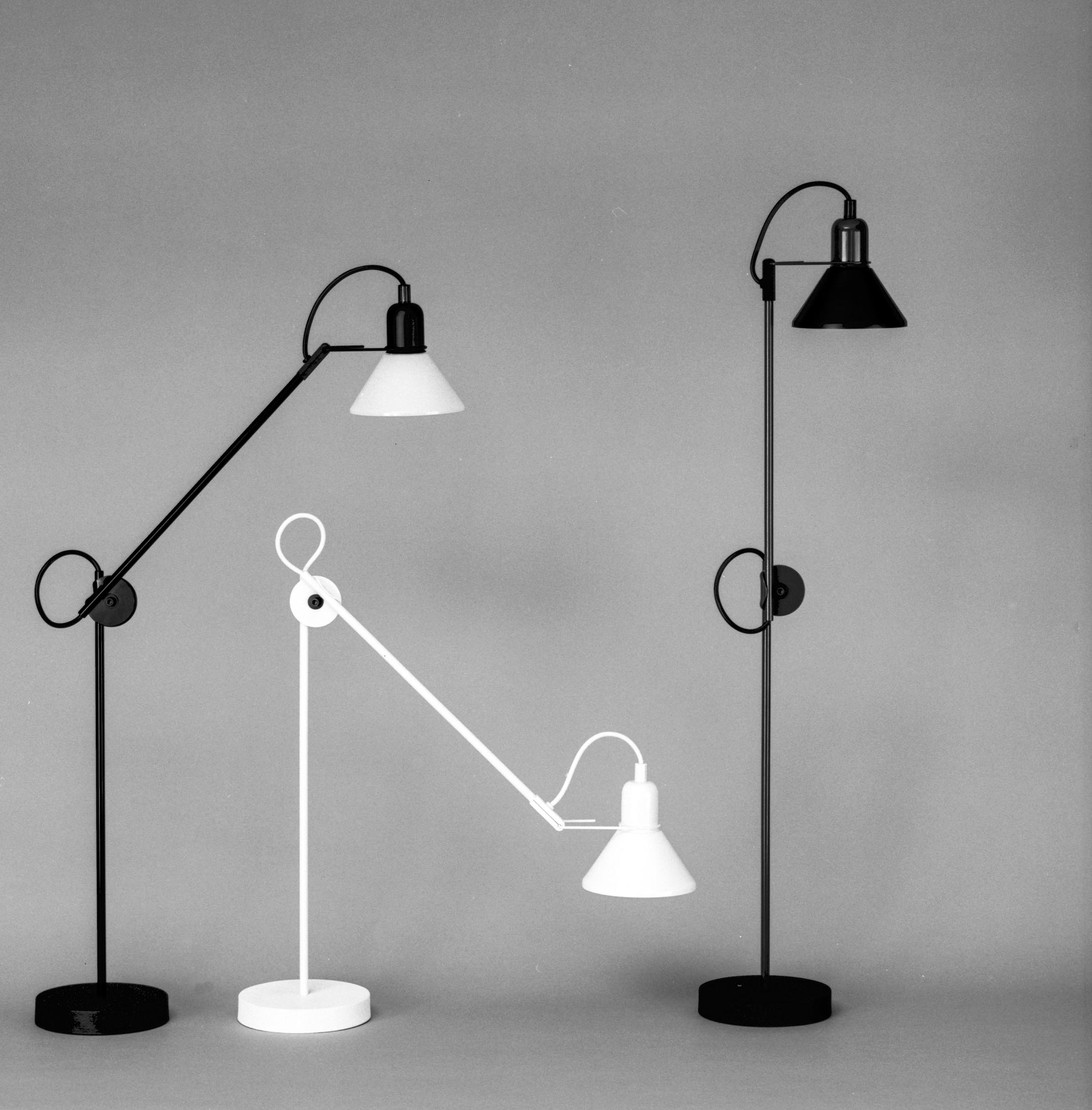
The designs led to the founding of ADA – Architects and Designers Activities. The luminaires were not only designed but also manufactured and distributed by ourselves. Every model was built by hand in the workshop, from bending and soldering through grinding and sandblasting to painting and final assembly. It was not a romantic designer’s studio, but often physically demanding, dirty workshop work.
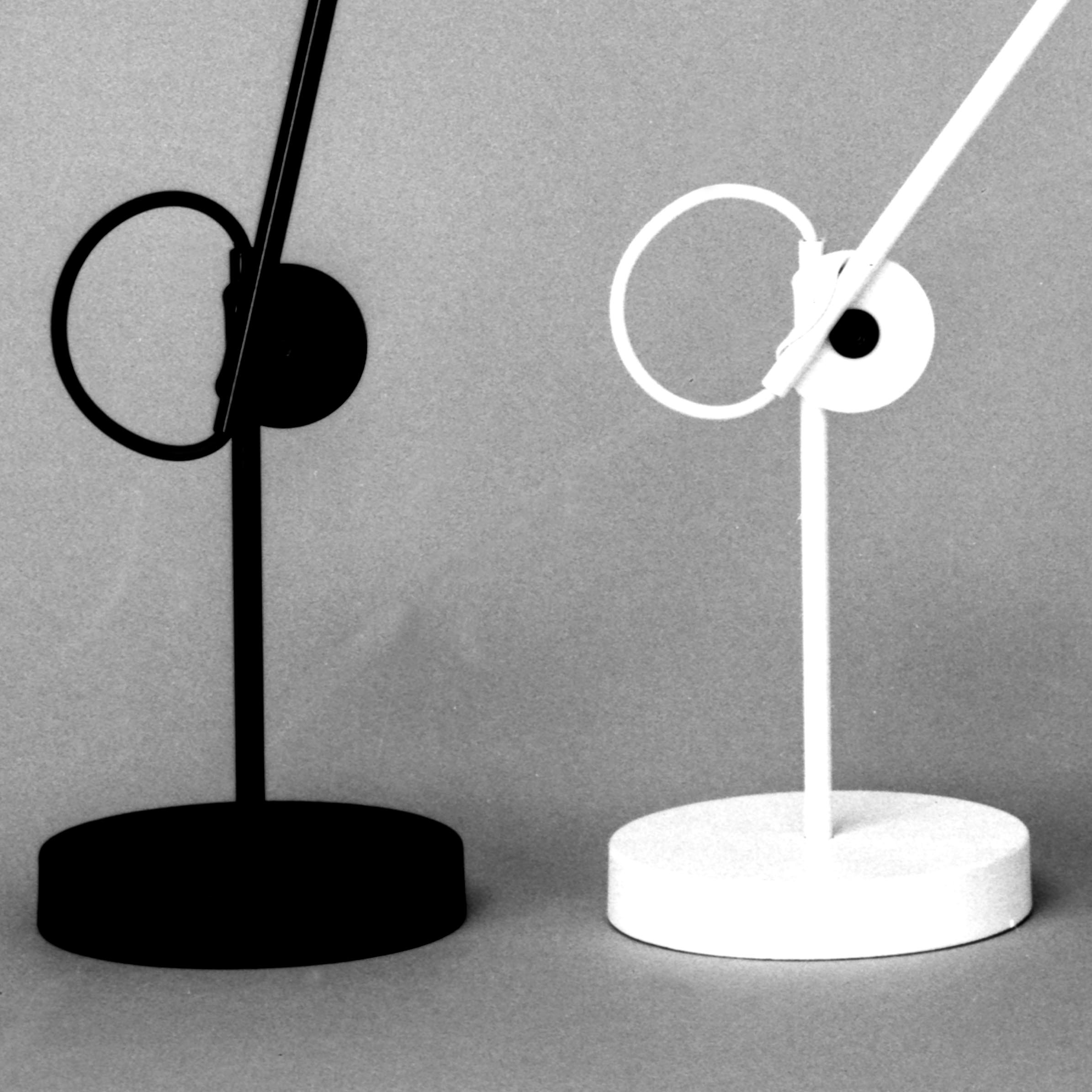
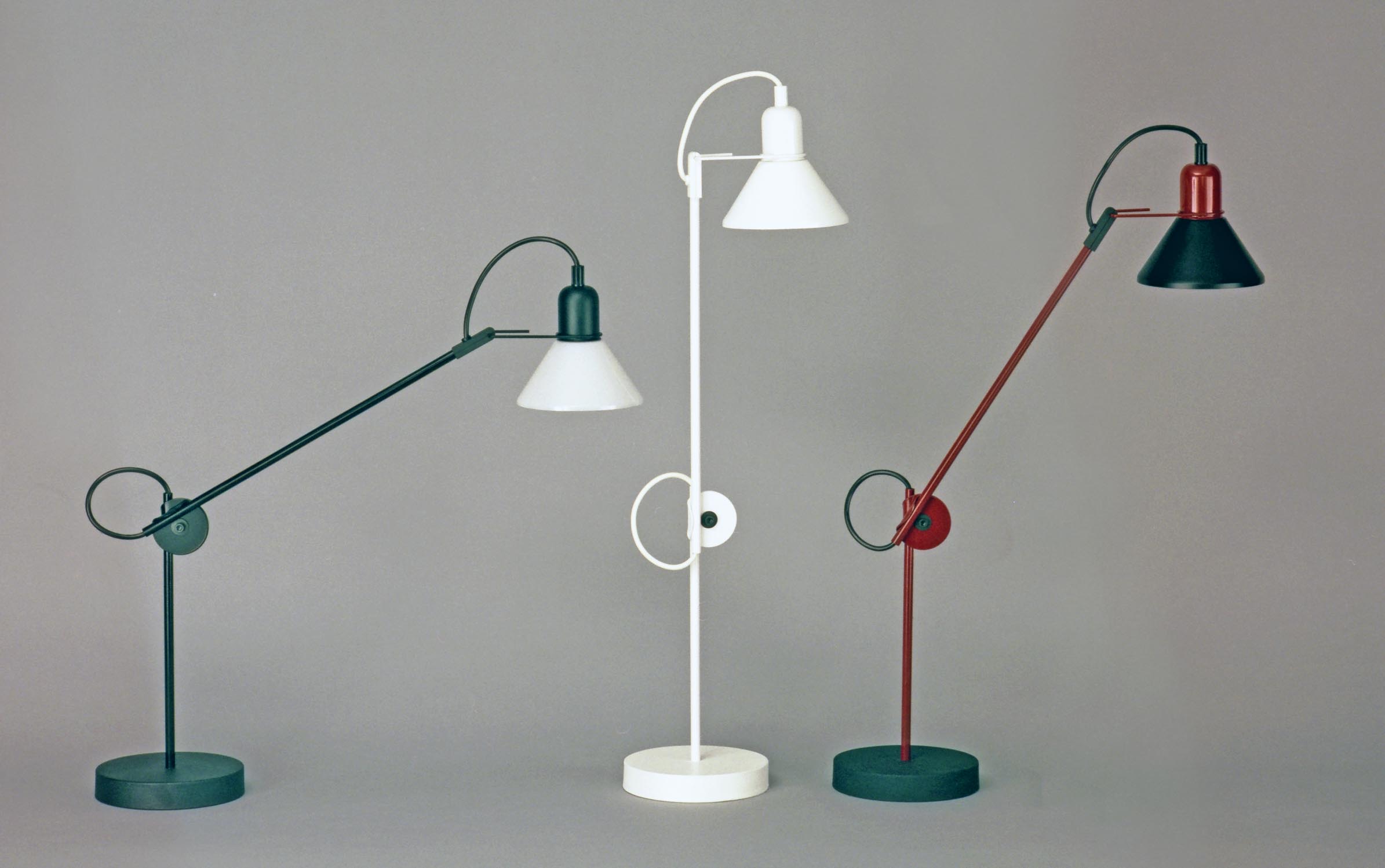
Today, however, the designs themselves are more important than the history of the company. The luminaires deliberately avoid decorative effects and fashionable embellishments. Every component serves a purpose. The construction remains visible; nothing is concealed or disguised. Precisely because the designs are so simple, proportion, detailing and craftsmanship become essential.
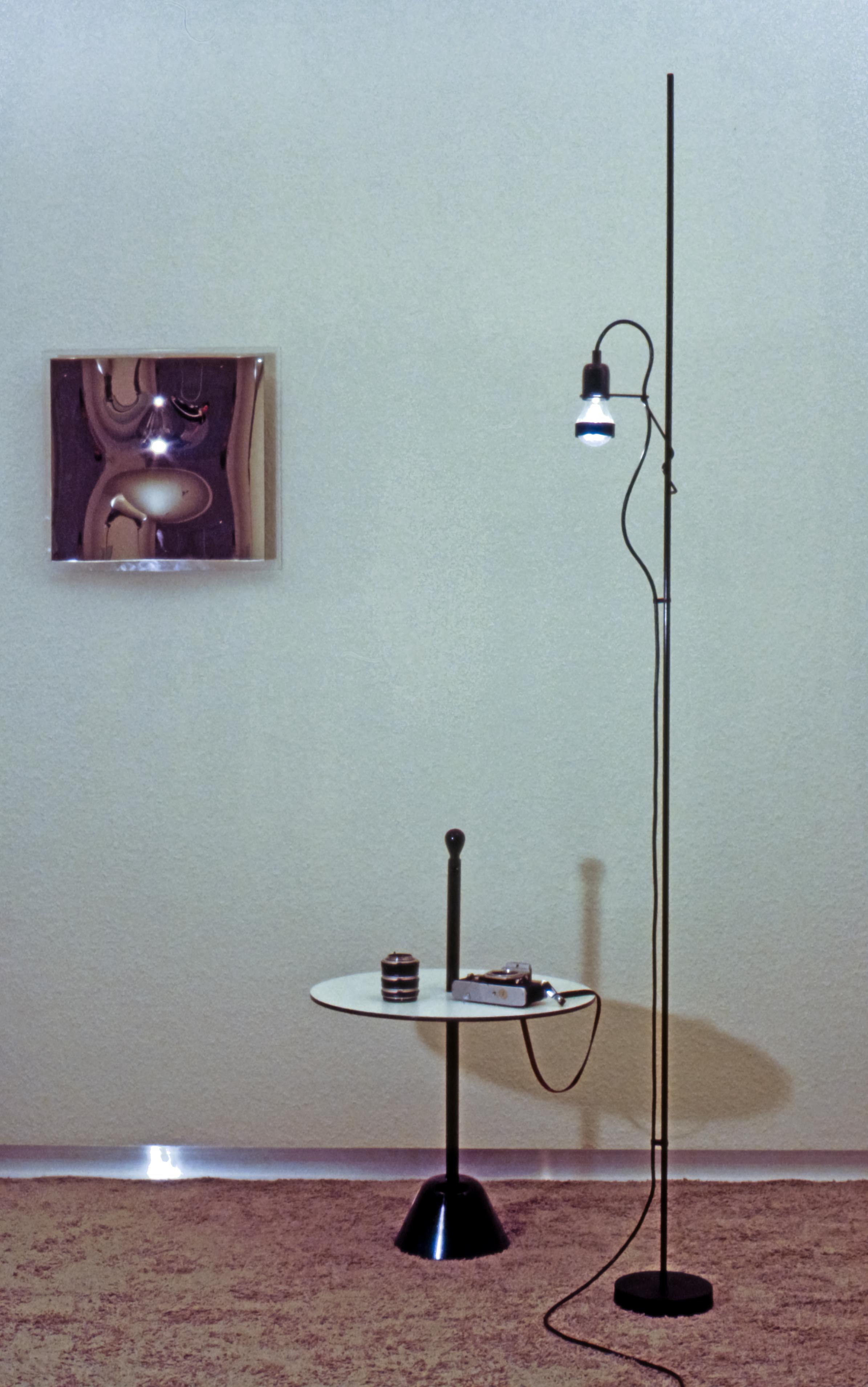
Almost fifty years later, the luminaires still appear remarkably contemporary. Many products from that era are instantly recognisable as creations of the late 1970s. The ADA collection, however, follows no trend. It consists of little more than light, construction and proportion. What was deliberately omitted then cannot appear outdated today.
Looking back, I recognise many of the principles that still shape our work today: focusing on the essentials, enjoying simple solutions and believing that good design does not require unnecessary embellishment.
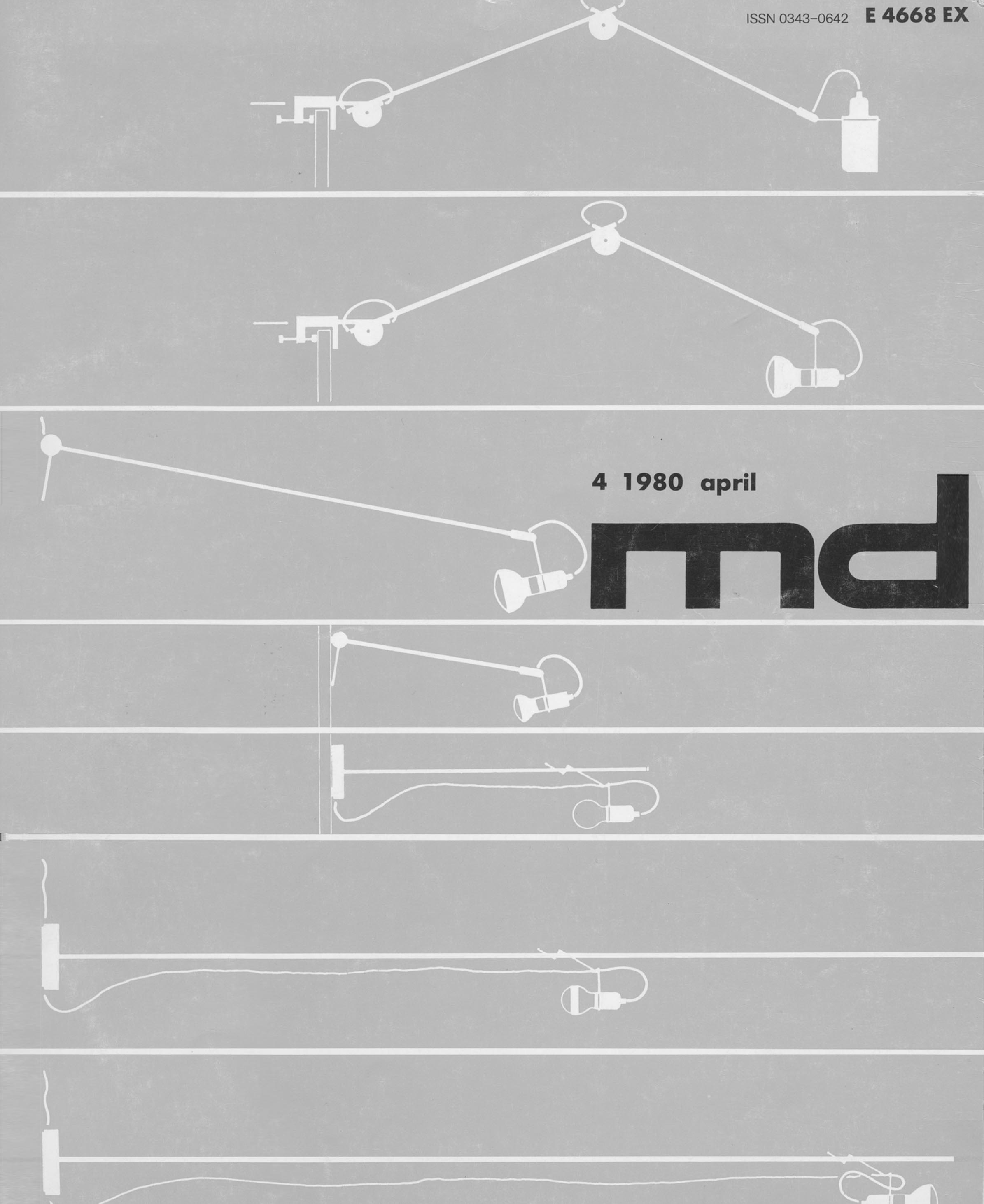
In 1980, the design journal md devoted an extensive article to the luminaire collection. The publication highlighted the consistent reduction of the designs, the modular concept and the unusual decision to combine design, manufacturing and distribution within a single company.
Further Information
Project Details
- Project: ADA Residential Luminaires
- Design: Klaus Bürger and Kurt Ziehmer
- Scope: Design, manufacture and distribution of a modular residential lighting collection
- Location: Krefeld
- Period: from 1977 onwards
- Publication: md – Möbeldesign, Issue 4/1980
- Company: ADA – Architects and Designers Activities
The ADA lights were not a side project, but an early attempt to take responsibility for design from the initial idea through to the finished product. Many of the questions that occupied me then still accompany my work today: What is truly necessary? What can be omitted? And when can simple means produce a convincing solution?
The answers have changed over the decades. The underlying attitude has remained.
Should you wish to discuss your own project, I would be delighted to hear from you.
Phone: 02151 736005
Email: k.buerger@k-buerger.de